Key Takeaways
- Advisor marketing funnels provide structured pathways for attracting, educating, and engaging potential clients.
- Optimizing and customizing your funnel supports credibility, compliance, and sustainable client relationships.
Did you know that well-structured marketing funnels can play a pivotal role in building both credibility and client relationships for advisors aiming to grow their professional practice? Understanding how marketing funnels work—and how you can tailor them to your needs—can give your firm an edge in today’s competitive, compliance-driven landscape.
What Are Advisor Marketing Funnels?
Definition and core components
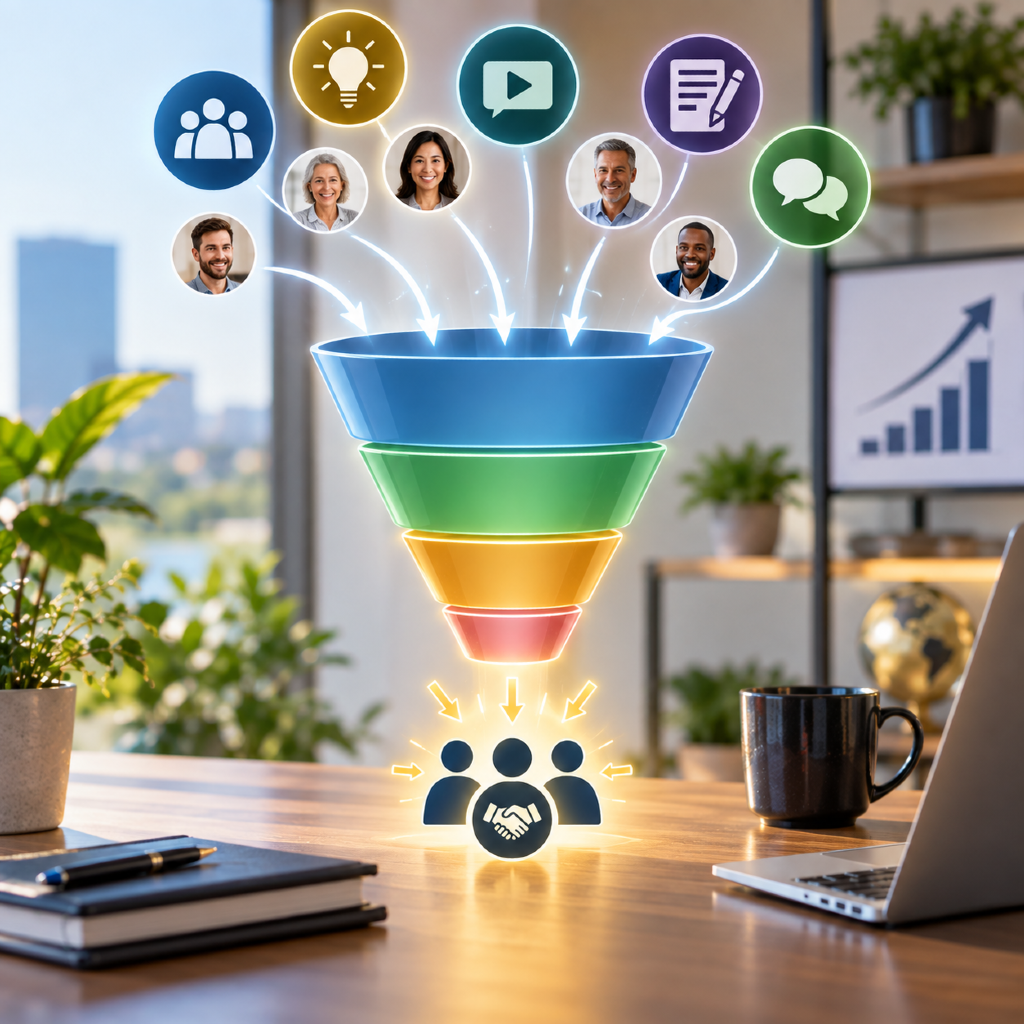
An advisor marketing funnel is a strategic framework that guides potential clients through a structured journey—from initial brand awareness to engagement, and ultimately, to becoming a client. Think of the funnel as a step-by-step process where, at each stage, you provide content and touchpoints designed to meet your audience’s evolving interests and information needs.
Typical funnel components include:
- Awareness: Introducing yourself and your services to prospects.
- Consideration: Deepening their understanding with value-driven insights and resources.
- Decision: Offering pathways to take action, such as consultations or subscribing to updates.
- Loyalty/Nurture: Continuing contact to build long-term trust and opportunities for future engagement.
Marketing funnels are distinct from simple outreach—they are comprehensive systems, not one-off campaigns.
How funnels support professional growth
For B2B professionals—especially advisors in financial, insurance, or consulting spaces—marketing funnels do more than attract prospects. They:
- Help you systematically educate, qualify, and engage potential clients.
- Reduce inefficiencies by focusing effort where prospects show real interest.
- Build brand touchpoints that support visibility, trust, and expertise.
- Empower you to analyze which strategies move contacts from curiosity to engagement.
Consistent use of funnels facilitates business growth while enabling compliance-conscious marketing.
Why Do Funnels Matter for Client Acquisition?
Connecting funnels to business goals
Marketing funnels translate your business goals (such as expanding your client base or growing market credibility) into actionable steps. Every stage of the funnel maps to interactions that bring prospects closer to your desired outcome—whether requesting more information, scheduling a discovery call, or referring their network.
By measuring activity at each funnel stage, you gain clarity on what attracts, educates, and inspires action. This structured approach supports:
- More predictable growth
- Efficient outreach—targeting time and resources where they’ll have greatest impact
- Improved alignment between marketing activities and compliance objectives
Addressing client relationship building
Strong advisor-client relationships evolve over time. Funnels offer a repeatable way to build rapport by meeting prospects where they are:
- Early stage: Educational content introduces your philosophy and expertise.
- Later stages: Thought leadership and solution-oriented resources nurture confidence.
- Decision: Encouragement to engage in ways that feel natural—not salesy.
The key is to foster trust at every touchpoint, making it simpler for new clients to choose you when they’re ready.
How Do Funnels Build Credibility?
Establishing trust with prospects
Your marketing funnel is a trust-building engine. When you consistently provide relevant insights and demonstrate industry understanding, prospects see you as a credible resource. Over time, educational touches—such as webinars, industry articles, or compliance guides—cultivate the perception that you are both knowledgeable and approachable.
Trust is reinforced by:
- Transparent explanations of your services or specialties
- Content that addresses common questions and concerns
- Demonstrating awareness of professional standards and regulations
Nurturing visibility and reputation
The process of guiding prospects through a thoughtful marketing funnel inherently boosts your visibility. Regular, value-driven interactions mean your brand stays top of mind. This layered exposure not only informs potential clients—it leaves a digital record of your commitment to ethical, client-focused guidance.
As your funnel strategy matures, your reputation grows in tandem, helping position you as a reliable choice within your industry.
What Marketing Funnel Stages Exist?
Awareness and consideration phases
In the awareness phase, you introduce your practice and value proposition through broad-reaching tools—such as blog posts, digital ads, social media, or educational events. The goal here is not to “sell,” but to help your audience recognize their needs and see your expertise as a possible solution.
In the consideration phase, you provide more targeted resources—think case studies, guides, or in-depth articles—that deepen interest and help prospects evaluate how your solutions align with their objectives.
Decision and engagement processes
Once a prospect moves to the decision phase, they are primed for personalized interaction: one-on-one consultations, Q&A sessions, or tailored proposals. Here, your focus is to address remaining concerns and make next steps simple and transparent.
Following the decision, an engagement or loyalty phase maintains ongoing communication through newsletters or periodic check-ins, cultivating advocacy and future opportunities.
How Can Professionals Optimize Their Funnels?
Content strategies for each stage
To maximize results, tailor your content to match each funnel phase:
- Awareness: Blog posts, explainers, or downloadables that address common industry pain points
- Consideration: Webinars, case studies, whitepapers, or comparison guides
- Decision: Personalized consult offers, solution demos, or onboarding resources
- Loyalty: Educational email series, value updates, or client-only events
The right mix supports sustained engagement while connecting each step to measurable business objectives.
Measuring and refining performance
Optimization means tracking how prospects move through your funnel and adjusting tactics accordingly. Consider metrics such as:
- Content engagement rates (views, downloads, shares)
- Conversion points (form submissions, meeting requests)
- Retention metrics (recurring engagement, referrals)
Regular analysis reveals what works, allowing you to refine both your approach and your content—always with compliance and client care in mind.
Are Marketing Funnels Suitable for All Advisors?
Professional considerations
While marketing funnels can benefit most B2B advisors, their structure and content should reflect your specific field and audience. Consider unique regulatory requirements, target demographics, and the complexity of your services. Some niches may require longer nurturing cycles or more frequent compliance reviews.
Customization and regulatory guidance
No single funnel fits all. Customization—such as adjusting messaging for high-net-worth clients or adapting compliance reviews for specialized services—helps ensure your funnel supports both your business goals and regulatory obligations. Consult compliance professionals as needed to ensure every stage of your funnel aligns with current rules and best practices.
What Common Funnel Challenges Should Advisors Expect?
Addressing credibility gaps
Advisors often struggle to demonstrate differentiation or address skepticism. To bridge credibility gaps:
- Share consistent educational value
- Provide evidence of expertise and commitment to ethical standards
- Acknowledge industry regulations transparently where relevant
These efforts help build confidence with prospects at each funnel stage.
Process improvements and compliance awareness
Another common hurdle is balancing evolving digital strategies with compliance guidelines. Proactive process improvements—like updating content for regulatory changes and documenting review workflows—can mitigate risks. Embed compliance checks into your content development and campaign rollout to ensure marketing momentum never outpaces regulatory readiness.