Key Takeaways
- Credibility and first impressions come from trust signals, professional branding, and transparent information.
- Drawing inspiration from leading advisor websites and other industries can help you refine your own digital strategy.
A strong website can set you apart as a financial advisor in a crowded digital world. Clients often judge your credibility within seconds, making your online presence essential for growth and trust. This guide explores how leading financial advisor websites inspire trust—and how you can apply these lessons to your own practice.
What Makes a Website Credible?
Core trust signals explained
When prospective clients land on your website, they look for signs that you run a legitimate, trustworthy advisory firm. Website trust signals include clear contact information, professional credentials, regulatory disclosures, client testimonials, and secure browsing technology (such as HTTPS). Other subtle signals are up-to-date content and easily accessible educational resources. By making these elements visible, you show clients you care about transparency and client service from their first click.
The importance of professional branding
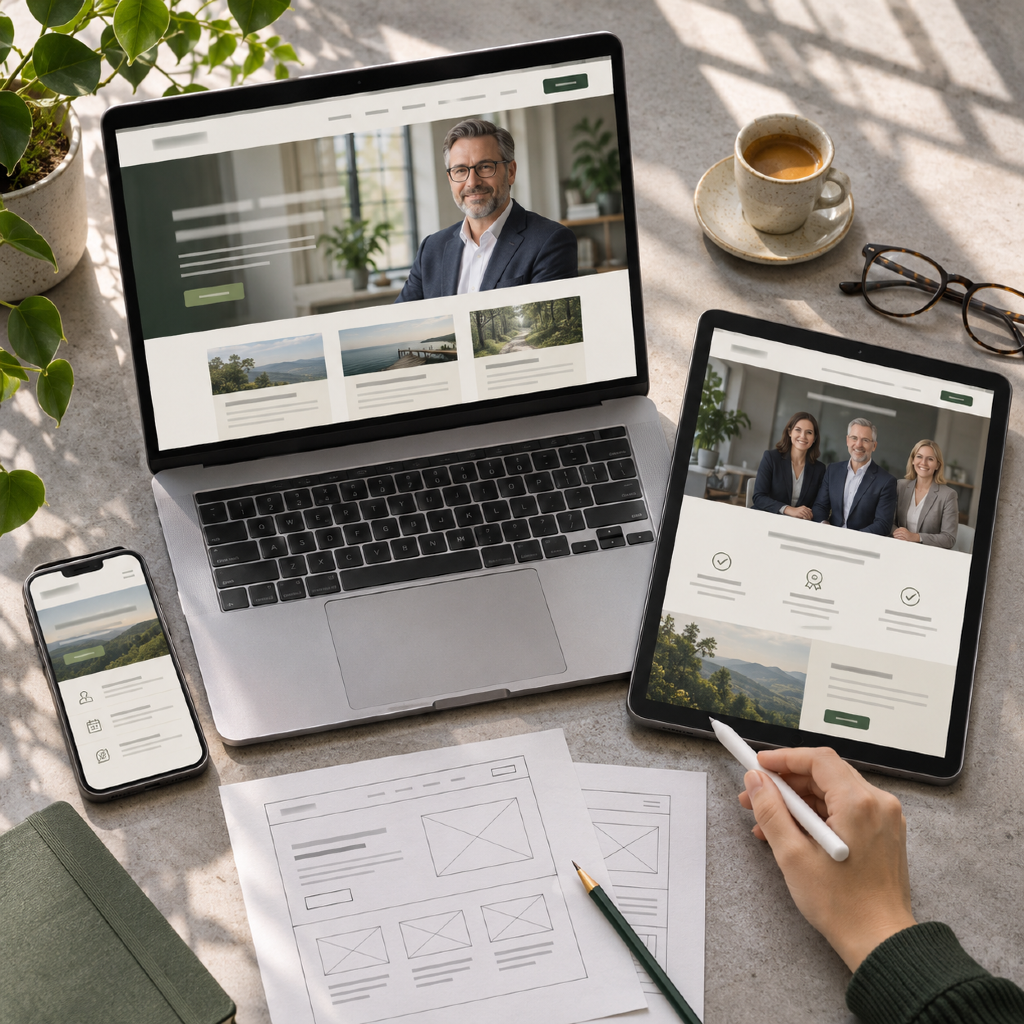
Professional branding extends beyond a logo or a color palette. It’s about consistently presenting your practice in a way that feels reliable, authentic, and aligned with your expertise. Quality graphics, a friendly yet authoritative tone, team photos, and personalized messaging help establish rapport before a prospect ever picks up the phone. Cohesive branding reinforces that your business is established, accessible, and attentive to detail—factors that inspire confidence among prospective clients.
Why Study Financial Advisor Websites?
Learning from digital leaders
Top-performing advisor websites offer valuable insights into effective online communication. By analyzing peers’ and industry leaders’ websites, you can learn which design elements, content strategies, and engagement features resonate most with clients today. Observing digital leaders gives you real examples of how to structure your site and prioritize key information, ultimately making it more user-friendly and compelling.
How credibility impacts first impressions
First impressions happen fast—research consistently shows most website visitors form judgments within five seconds. If your website reflects professionalism, transparency, and expertise, visitors are more likely to consider engaging further. On the other hand, dated templates, excessive jargon, or missing trust signals can leave prospects uncertain. By studying advisor websites that perform well, you gain a roadmap for refining your site’s first-impression power.
Three Inspiring Advisor Website Examples
Success factors in featured sites
Successful advisor websites share a few key elements: a concise value proposition, clear team bios with credentials, accessible regulatory disclosures, and intuitive navigation. These sites also focus on audience-specific messaging—addressing client concerns and articulating how the advisory process works. Importantly, they balance professionalism with approachability, making clients feel welcome and supported.
Design and content highlights
Leading sites showcase clean layouts with ample white space, consistent use of brand colors, and professional headshots. They often feature educational sections such as blogs, FAQs, or video explainers that provide value to visitors before they commit. Interactive features like quick contact forms or calendar scheduling tools make engagement easy. Whether it’s a modern, minimalist design or a more traditional layout, each example reinforces clarity, accessibility, and a personalized client experience.
How Do Advisors Build Online Trust?
Transparency with qualifications
Trust grows when you openly display your professional and educational credentials. Make sure your site clearly lists your certifications, relevant degrees, and any memberships in reputable industry associations. This not only positions you as an authority but also meets the ethical and compliance expectations in financial services. Details about your advisory process, service standards, and regulatory obligations further enhance transparency.
Sharing educational content
Position yourself as a knowledgeable resource by offering useful, educational content. Articles, guides, webinars, or video updates that address common client questions show your expertise and willingness to help. Educational content doesn’t have to be lengthy or complex—short insights into market trends, planning tips, or regulatory changes can demonstrate ongoing engagement and a client-first mindset. Effective content marketing establishes credibility while providing ongoing value to prospects and clients alike.
Key Credibility Tips for Your Own Site
Optimizing for professional imagery
Images are often the first thing visitors notice. Use current, high-quality portraits of you and your team—avoid stock photos if possible, as authentic imagery builds stronger trust. Showcase your office environment to communicate stability and openness. When using illustrations or graphics, ensure they are on-brand and support your firm’s message without cluttering the site.
Testimonials and disclosures best practices
Client testimonials can provide meaningful social proof when they’re authentic and backed by proper disclosures. Always follow regulatory guidelines: disclose whether testimonials are from current or former clients, note if any compensation was provided, and avoid editing statements in ways that could mislead. Alongside testimonials, keep your legal and regulatory disclosures up to date, clearly visible, and easy to understand. Compliance-conscious transparency helps prospects feel confident in your integrity.
What Can Advisors Learn from Other Industries?
Universal credibility lessons
Many strategies for building online trust are universal. Across healthcare, legal, and consulting industries, leading websites emphasize transparency, personable branding, and accessible expertise. Adopting common practices—such as easy appointment scheduling, plain-language client resources, or regular content updates—signals reliability and client commitment, regardless of field.
Transferable website strategies
Adaptive design (ensuring your site looks great on mobile devices), accessible navigation, and personalized communication are strategies proven in various professional sectors. Analytics tools, feedback forms, and well-organized educational content are just as effective for financial advisors as for other experts. By studying broadly, you can adopt cross-industry best practices to keep your website relevant and credible for years to come.