Key Takeaways
- Website credibility depends on professionalism, trust signals, and quality content tailored to client needs.
- Prioritizing education, engagement, and strategic growth initiatives positions your advisory business for long-term results.
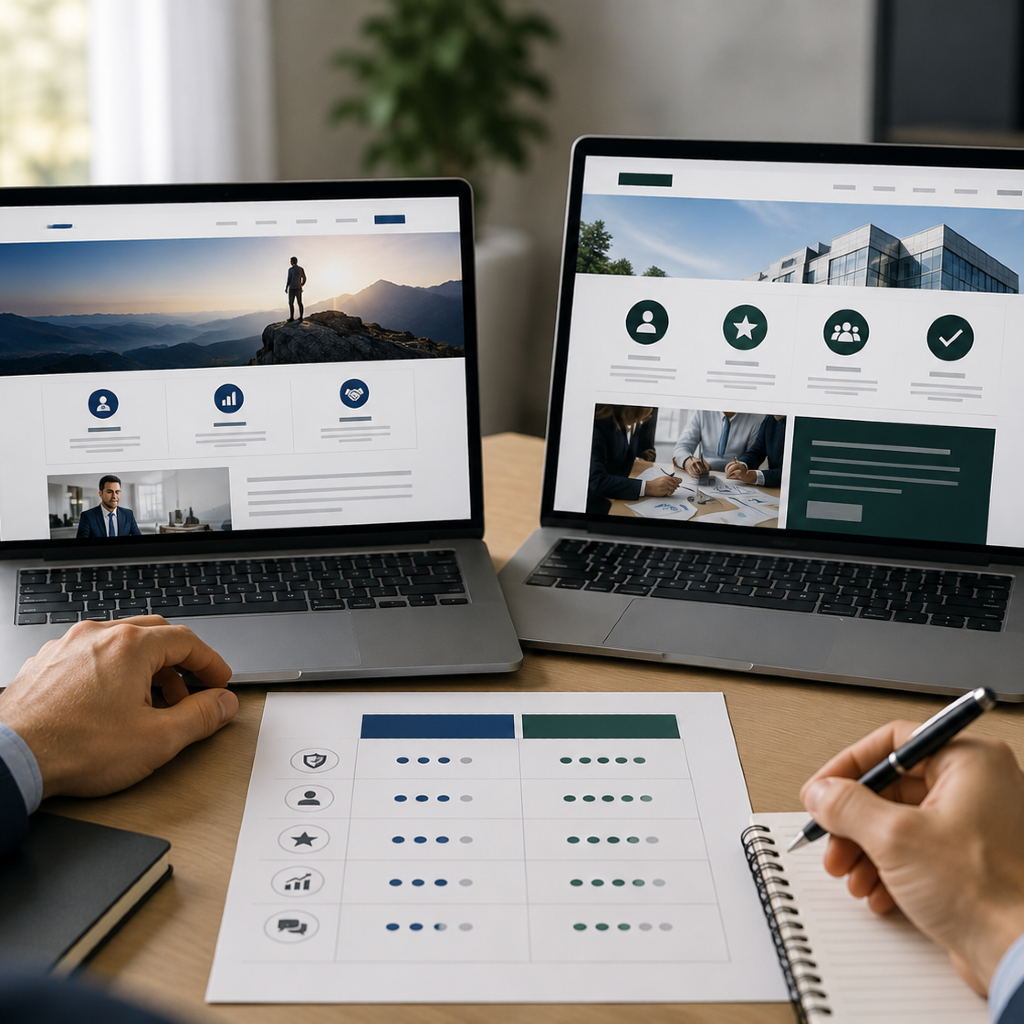
In today’s digital world, your website is often the first impression you make as an advisor or service-based professional. Building a site that reflects expertise and inspires trust is essential for attracting and engaging clients. This article compares crucial credibility elements and outlines sustainable growth factors that set top advisor websites apart.
What Defines an Expert Advisor Website?
Core features for professional credibility
Your website serves as both your digital storefront and your credibility statement. To establish authority and professionalism, be sure your site features:
- Clear branding and professional design: Logos, color schemes, and typography that reflect your values and expertise.
- Biographical profiles: Detail your credentials, licenses, subject matter focus, and experience to demonstrate subject mastery.
- Compliance statements: Display clear, current disclosures and privacy notices relevant to your field.
- Contact accessibility: Prominent phone numbers, emails, and secure contact forms signal that you are approachable and responsive.
- Consistent messaging: Use language that positions you as a trusted advisor, maintaining an educational and client-focused tone throughout.
Each of these elements signals to prospective clients that you take your advisory business seriously and prioritize their needs.
Essential elements clients look for
Clients and prospects typically look for signs that you understand their challenges and objectives. Key site features clients expect include:
- Service summaries: Clear explanations of your advisory offerings and who you serve.
- Client testimonials or case studies: Where compliant, brief stories or reviews add authenticity to your value proposition.
- Resourceful educational content: Articles, guides, or FAQs that demonstrate your willingness to educate and inform clients.
- Transparent process outlines: Descriptions of how you work together with clients—from first meeting to relationship management—supporting clarity and trust.
Including these elements not only answers prospect questions but also positions you as a valuable, solution-focused resource.
How Do Website Qualities Influence Credibility?
First impressions and trust signals
Research consistently shows that website visitors take only seconds to form an opinion. The initial impression—driven by clean design, professionalism, and transparency—can shape whether a prospective client perceives you as credible.
Trust signals to emphasize:
- Professional photography: Genuine images foster relatability.
- Third-party affiliations: Memberships, certifications, or association logos reinforce your standing.
- Up-to-date information: Current content and contact details show operational rigor and commitment.
A positive first impression can be a decisive factor in whether visitors choose to engage further with your site or look elsewhere.
Common credibility pitfalls to avoid
Several issues can quickly undermine your website’s authority:
- Outdated copyright dates or lapsed content: These suggest inattentiveness.
- Broken links or missing pages: Faulty navigation frustrates visitors and signals a lack of professionalism.
- Overly technical jargon: While expertise is key, clear communication broadens your approachability.
- Lack of compliance consideration: Even inadvertent missteps regarding disclosures can erode trust.
Regular site updates and purposeful design help avoid these classic pitfalls and keep your credibility intact.
Key Growth Factors: What Should Advisors Prioritize?
Effective content strategies
Digital content does more than inform—it establishes authority, educates visitors, and fuels discoverability. Strong content strategy for professionals includes:
- Consistent blog or article output: Focused on topics relevant to your clients’ needs and challenges.
- Client-focused FAQs: Addressing common questions shows you anticipate and care about client concerns.
- Multimedia resources: Videos, podcasts, and downloadable guides diversify how clients engage with your expertise.
Thoughtful content not only demonstrates your knowledge but also invokes search engine visibility, helping new prospects find you organically.
Client engagement methods
Building relationships online is about more than just presenting information. To foster client engagement:
- Interactive tools: Calculators, assessment forms, or digital intake help visitors feel connected before any conversation.
- Newsletter sign-ups: Email updates provide ongoing value and keep you top-of-mind.
- Comment-enabled articles or feedback opportunities: Welcoming questions or insights creates a sense of partnership.
These methods promote two-way communication, which builds trust and increases the likelihood of long-term client connections.
Which Website Elements Support Sustainable Growth?
Educational resources and thought leadership
Long-term growth relies on your reputation as a source of knowledge and insight. Strengthen your site’s impact by:
- Hosting webinars or virtual events: These position you as a thought leader and invite real-time engagement.
- Publishing whitepapers or in-depth guides: Such content demonstrates commitment to continual learning—for you and your clients.
- Showcasing speaking engagements or media features: Sharing your involvement in industry discussions underscores authority.
Whether for prospective clients or professional peers, investing in education signals your leadership in the field.
Calls to action and lead capture
Growth isn’t possible without mechanisms to convert visitors into connections. Strong call to action strategies include:
- Clear and reassuring CTAs: Phrases like “Schedule a consultation” or “Download our guide” make next steps obvious.
- User-friendly forms: Minimize required information and assure data privacy.
- Strategic placement: Place calls to action throughout your site, not just on landing pages.
Thoughtful lead capture processes enable you to nurture relationships ethically and with full transparency.
Is DIY or Professional Website Design Better?
Pros and cons for credibility
Deciding between building your website yourself or enlisting professional help depends on your resources and priorities.
- DIY platforms: Enable quick, affordable setup, but may lack polish or unique branding needed for higher-tier credibility.
- Professional design: Offers tailored branding, seamless navigation, and built-in compliance considerations. However, it requires both additional budget and collaboration.
While some advisors can achieve credibility with quality DIY solutions, others find that professional design better reflects their brand stature.
Long-term growth considerations
Beyond the launch, growth relies on scalability, technical support, and ongoing improvement.
- DIY sites: May be harder to update as your business grows or compliance needs shift.
- Professionally built sites: Often include maintenance, analytics integration, and enhanced security features—key for long-term adaptability and peace of mind.
Choose the path that matches your technical comfort, brand vision, and capacity for updating content as regulations and client expectations evolve.
What Are Common Website Strategy Misconceptions?
Overlooking compliance in content
It can be tempting to focus on fresh ideas or trending topics, but always ensure your web content adheres to the latest legal and ethical guidelines for your industry. Overlooking compliance puts your reputation—and client trust—at risk. Set reminders for periodic reviews and engage compliance experts where needed.
Assuming all traffic equals growth
Be mindful that increasing website visits alone does not translate to more business. Sustainable growth comes from attracting the right audience, providing clear value, and nurturing those who are genuinely interested in your services. Quality content, strategic calls to action, and ongoing education are the real drivers of meaningful growth.
By carefully curating your advisor website with the right credibility signals and growth resources, you position yourself as a trusted partner for clients and sustain your practice through an ever-evolving digital landscape.