Key Takeaways
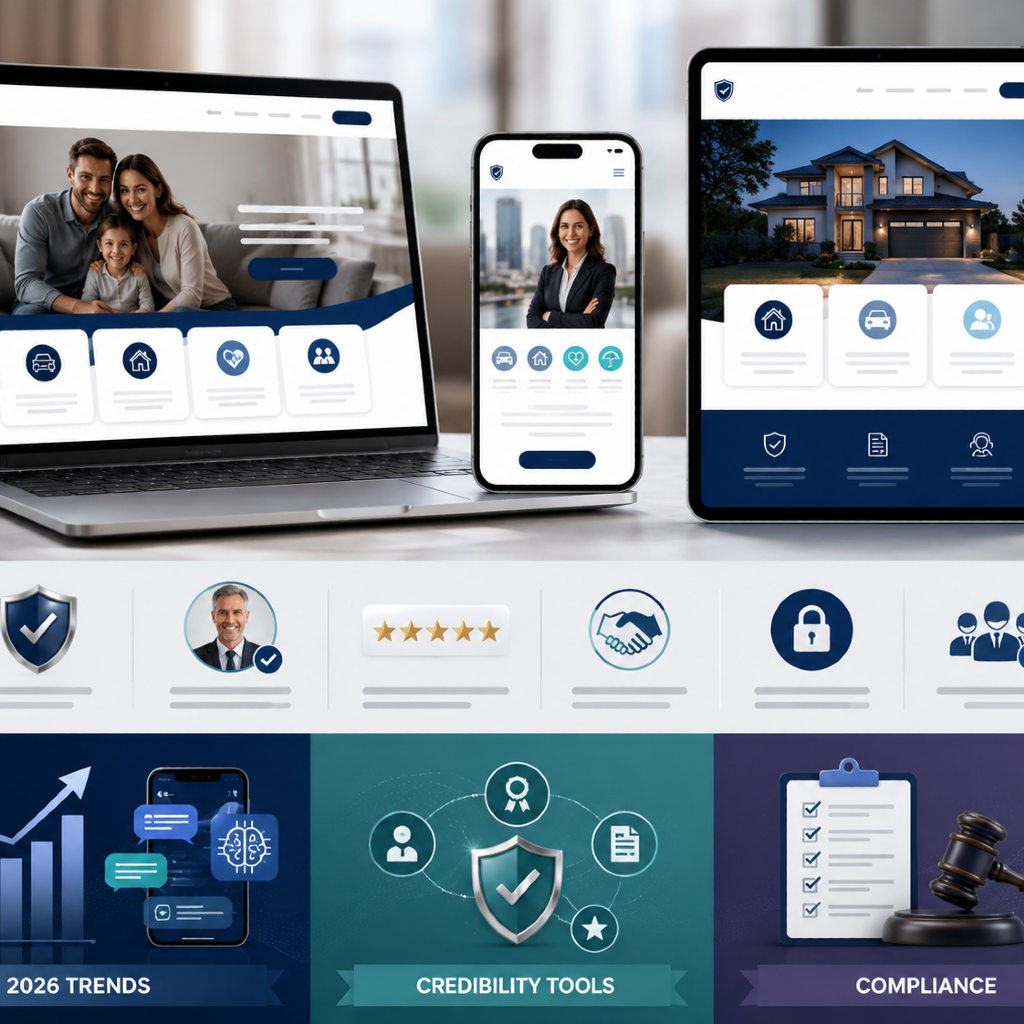
- Modern insurance agent websites must blend digital credibility, compliance, and client-centered design for practice growth.
- Evolving trends, credibility tools, and region-specific strategies can strengthen trust and regulatory alignment online.
The digital presence of insurance professionals has transformed dramatically since 2020—many prospects in 2026 now say a website’s credibility strongly influences trust before making contact. To thrive in a highly competitive space, you need to master current trends, build digital trust, and ensure strict compliance, all while growing your practice.
What Defines a Successful Website?
Core traits of top insurance sites
Success in 2026 means more than just an attractive layout. Today’s leading insurance agent websites have:
- Clear, concise navigation: Streamlined menus and intuitive paths help visitors quickly find what they need, reducing bounce rates.
- Mobile-first design: With over 60% of traffic coming from mobile devices, insurance professionals must prioritize responsive user experiences.
- Authentic content: Personalized bios, transparent service explanations, and tailored client resources foster stronger digital relationships.
- Prominent trust signals: Security certificates, clear contact information, professional affiliations, and digital credentials offer immediate reassurance.
Measuring impact for independent professionals
For independent insurance professionals and advisors, effective measurement relies on:
- Engagement analytics: Monitoring metrics such as session duration, forms completed, and resource downloads demonstrates real user value.
- Conversion tracking: Identifying which marketing strategies or content types lead to desired actions (like consultation bookings) offers actionable insights.
- Client feedback loops: Soliciting site experience feedback helps refine digital interactions and retain loyal clients.
Which Website Trends Lead in 2026?
Emerging digital design elements
2026 sites are moving beyond aesthetics to offer true personalization and efficiency:
- Dynamic content modules: Content adapts to the user’s location, insurance interests, or referral path, delivering relevant value instantly.
- Accessible design: Sites must comply with digital accessibility standards (such as ADA), using high-contrast elements, alt text, and easy navigation for all users.
- Micro-interactions: Subtle animations—think hover effects on CTAs—enhance site engagement without overwhelming users.
- Voice search optimization: As more clients use voice assistants, insurance professionals are optimizing content for question-based queries.
Adapting to evolving client expectations
Today’s policyholders expect:
- Self-service tools: Quote estimators, resource libraries, and chat options empower prospects to research at their own pace.
- Educational media: Short explainer videos, downloadable guides, and live webinars meet learning preferences and help demystify insurance products.
- Faster response times: Integration of automated appointment scheduling and secure messaging platforms reduces friction in client communication.
What Credibility Tools Build Trust Online?
Digital credibility tool overview
Earning a prospect’s trust online starts with:
- Verified industry badges: Displaying up-to-date designations, licenses, or participation in professional groups.
- Third-party reviews platforms: Featuring aggregate ratings from familiar platforms (without making unverifiable claims) provides social proof.
- Publication and event badges: Showcasing speaking engagements, published articles, or conference participation underscores expertise.
- Website security icons: SSL certificates and privacy badges signal data safety to all visitors.
Implementing trust signals effectively
For insurance professionals, best practices include:
- Consistent placement: Keep security, licensure, and membership badges visible in site footers or sidebars for easy verification.
- Transparent disclosures: Clearly articulate services offered, professional limitations, and data usage policies to comply with regulatory requirements.
- Client story features: Generic case scenarios (with permission and anonymization) offer relatable narratives to prospective clients without overstepping compliance.
How Do Sites Meet Compliance Needs?
Key regulatory considerations
Strict digital compliance is critical for insurance professionals in 2026. You should:
- Post required disclosures: Display legal disclaimers and license information prominently so visitors are properly informed.
- Honor privacy laws: Ensure your website policies reflect CCPA, GDPR, and state-by-state regulations as needed, with clear opt-in/out mechanisms.
- Avoid banned marketing language: Steer clear of absolute guarantees, misleading rankings, or exaggerated claims about services.
Guidelines for compliant messaging
Compliant communication should:
- Be strategy-neutral: Focus on general digital marketing and practice growth concepts instead of referencing platforms or carriers.
- Use professional titles properly: Clearly identify yourself as an “independent financial professional,” “advisor,” or “insurance professional.”
- Keep testimonials within regulations: Where allowed, ensure testimonials are accurate, attributable, and do not promise outcomes—always consider your region’s rules.
Do Lead Generation Strategies Still Matter?
Current role of lead generation tools
Lead generation in 2026 is more integrated and value-based:
- Smart CTAs and multi-step forms: Gated content downloads, insurance checklists, or appointment schedulers encourage qualified prospects to take action while respecting their privacy.
- Resourceful landing pages: Educational resources and practice introduction videos foster self-qualified leads, shifting focus from volume to quality.
- CRM and automation tools: Secure integration enables prompt, compliant follow-up without crossing regulatory boundaries.
Balancing marketing with ethical standards
Growing your practice requires an ethical mindset. Ensure:
- Transparent lead handling: Always communicate how inquiries are managed and never overstate your expertise or service scope.
- Balanced messaging: Don’t imply guaranteed results or rankings; focus instead on your advisory process and commitment to client education.
What Makes a Site Stand Out Regionally?
Customizing content for local audiences
Differentiating your digital presence in 2026 means getting local:
- Region-specific resources: Offer guides on state-level regulations, market trends, or local insurance challenges.
- Localized visuals: Use images and success stories featuring area landmarks, demographics, or business environments familiar to your clients.
- Community focus: Highlight involvement in local organizations, educational seminars, or charitable efforts to build connection and trust.
Addressing state-specific compliance
Each state has its own compliance landscape. Safeguard your site with:
- Dynamic disclosures: Adapt legal and regulatory disclosures based on visitor location, ensuring relevance and accuracy.
- Up-to-date license display: Keep your professional licenses and state credentials current and prominent to reassure prospects at first glance.
- Ongoing review process: Regularly audit your content, especially if you target multiple states, to maintain alignment with shifting rules.