Key Takeaways
- You can implement multiple funnel types to build credibility and generate high-quality leads within compliance frameworks.
- Understanding and optimizing funnel metrics is essential for sustainable growth and regulatory safety in your financial practice.
Did you know many independent financial professionals who use a structured marketing funnel see measurable client growth within only one year? Discover compliance-friendly options below to fortify your reputation, nurture leads, and create a robust digital presence—all while staying within regulatory guidelines.
What Are Marketing Funnels?
Definition and stages explained
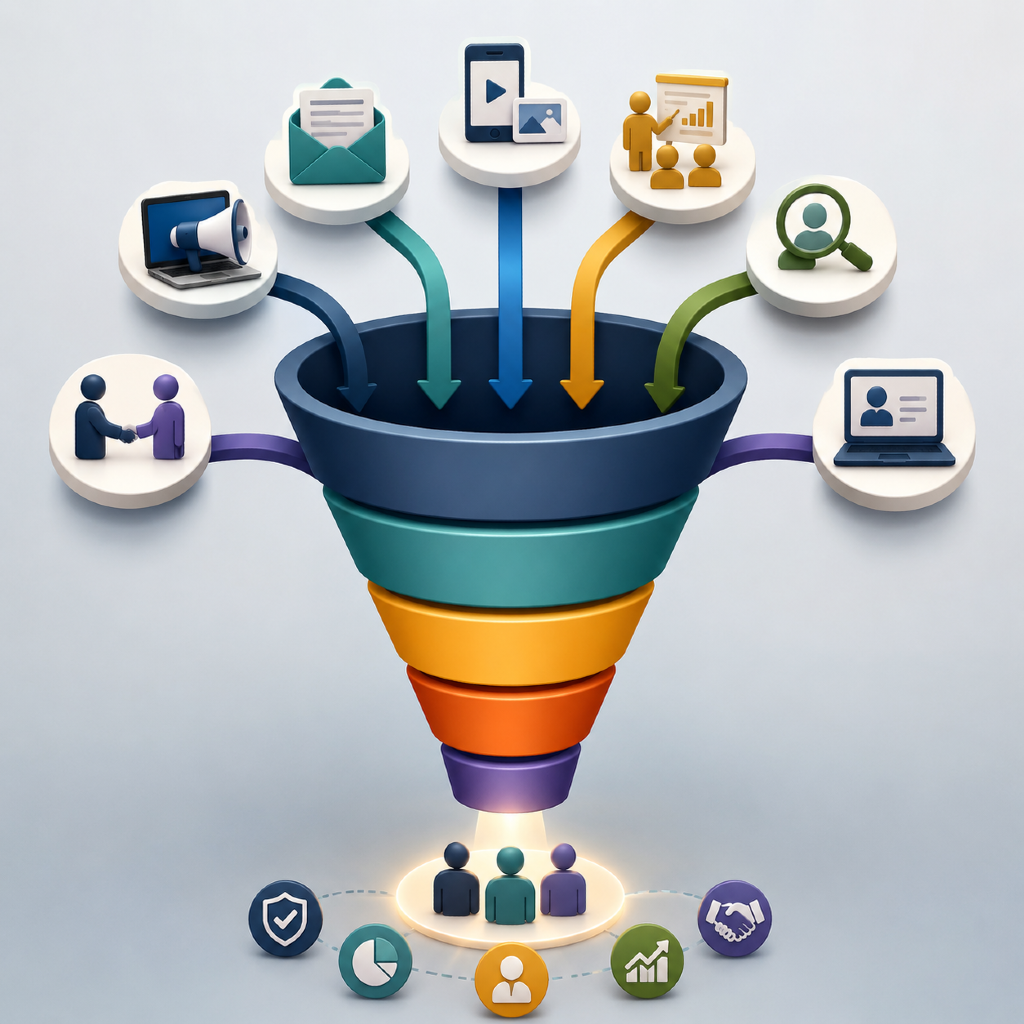
A marketing funnel is a step-by-step path guiding prospective clients from initial awareness to eventual engagement. For financial advisors, the funnel typically includes stages such as awareness, interest, consideration, and action—each requiring its own approach and compliant messaging.
Why funnels matter for advisors
By structuring your outreach within a funnel, you help potential clients gain the information and trust needed to take next steps. Marketing funnels are especially valuable for advisors because they allow you to nurture prospects thoughtfully, avoiding aggressive tactics while supporting long-term relationships.
How Do Funnels Support Compliance?
Balancing marketing and regulation
Financial professionals are held to high standards for their marketing practices. A well-structured funnel provides an organized way to keep content accurate, avoid prohibited language, and ensure responsible follow-ups—all critical for regulatory alignment.
Principles for compliant content
Adopt a vendor-neutral, educational approach. Avoid guaranteeing outcomes. Always reference yourself as an advisor, independent financial professional, or insurance professional. Steer clear of specific product names, compensation figures, or performance superlatives.
1. Educational Webinar Funnel
Inviting prospects securely
Host webinars on topics like retirement strategies, insurance basics, or market overviews. Use secure registration forms and inform participants about any data collection up front, ensuring transparency from the outset.
Following up responsibly
After the webinar, send compliant follow-up emails with actionable resources—without making guarantees or recommending specific products. Always allow prospects to control their communication preferences.
2. Lead Magnet Download Funnel
Crafting value-driven resources
Offer downloadable guides, checklists, or eBooks that answer common financial questions. Keep the content educational and avoid endorsement of specific products or platforms.
Delivering materials compliantly
Ensure all lead capture forms disclose privacy and data use policies. When sending resources, avoid promotional hype or language that could be perceived as misleading. Position your materials as tools for learning, not sales pitches.
3. Email Nurture Funnel
Building trust through email
Send a series of informational emails that expand on industry trends, planning tactics, and educational tips. Let your audience know they are welcome to unsubscribe at any time—respecting both privacy and compliance standards.
Segmenting audiences effectively
Segment your list based on the prospects’ interests, ensuring your messages remain relevant and tailored without crossing regulatory boundaries. For instance, create separate newsletters for retirement-focused individuals versus business owners.
4. Social Media Awareness Funnel
Creating educational content
Share digestible financial tips, answer frequently-asked questions, and highlight credible resources. Platforms like LinkedIn or Facebook can help you reach new prospects if posts are framed as informative rather than promotional.
Staying within compliance guidelines
Steer clear of discussing rates, guaranteeing results, or using product names. Always disclose your role as an advisor and encourage viewers to consult directly for personalized guidance.
5. Referral Request Funnel
Requesting referrals ethically
Periodically thank engaged clients and invite them to introduce friends or colleagues who may benefit from your expertise. Phrase your requests as opportunities to help others—not as quid pro quo arrangements.
Encouraging warm introductions
Make it easy for clients to share your resources (such as a webinar invite or educational guide). Avoid any language about incentives or compensation for referrals.
6. Website Assessment Funnel
Offering online reviews
Feature a simple, compliant tool on your website where prospects can request assessments of their current financial strategy. Ensure you do not collect more data than needed, and clarify how assessments are educational only.
Protecting data privacy
Outline your privacy and data use policies clearly. Reassure visitors that all personal info is protected and will not be shared or sold, reinforcing credibility and regulatory trust.
7. Appointment Scheduling Funnel
Automation with compliance in mind
Allow prospects to book introductory calls or meetings through a secure, compliant scheduler. Confirm all appointments with clear communication on the purpose and what to expect.
Clear next-step communication
Send follow-up reminders that reiterate your advisory status and the educational focus of the meeting. Make sure your language is clear, professional, and free of guarantees.
Which Funnel Matches Your Practice?
Assessing your business goals
Consider whether your primary aim is educating the public, deepening existing client relationships, or expanding into new markets. Your funnel strategy should match these priorities and your available resources.
Adapting funnels to your audience
Tailor your approach based on your audience’s needs. For instance, business owners may respond best to webinars and downloadable checklists, while individuals nearing retirement may prefer direct email outreach and educational guides.
Can Funnels Boost Credibility?
Underlying trust-building elements
A transparent funnel process demonstrates professionalism and respect for client autonomy. Thoughtful communication, privacy protection, and clear disclosures all contribute to your reputation development.
Integrating educational touchpoints
Each step in your funnel should educate rather than sell. By providing value at every interaction, you position yourself as a trusted advisor—one who puts client interests first.
Key Funnel Metrics to Measure
Tracking engagement rates
Monitor how often leads open emails, sign up for webinars, or download resources. These engagement metrics indicate which stages and content types resonate with your audience.
Evaluating conversion success
Track how many prospects move from one funnel stage to the next—from initial download to scheduled appointment. Use these insights to refine your process and maintain regulatory standards.
Practical Tips for Getting Started
Developing your compliance checklist
List the marketing rules most pertinent to your practice (no product names, no guarantees, always clear disclosures). Check all funnel materials against this list before launching.
Testing and optimizing processes
Pilot each funnel with a small group before broad rollout. Gather feedback, review for compliance, and tweak based on real client responses. Sustainable, compliant growth is an ongoing process.