Key Takeaways
- Digital and offline marketing strategies both offer unique advantages for real estate professionals in 2026.
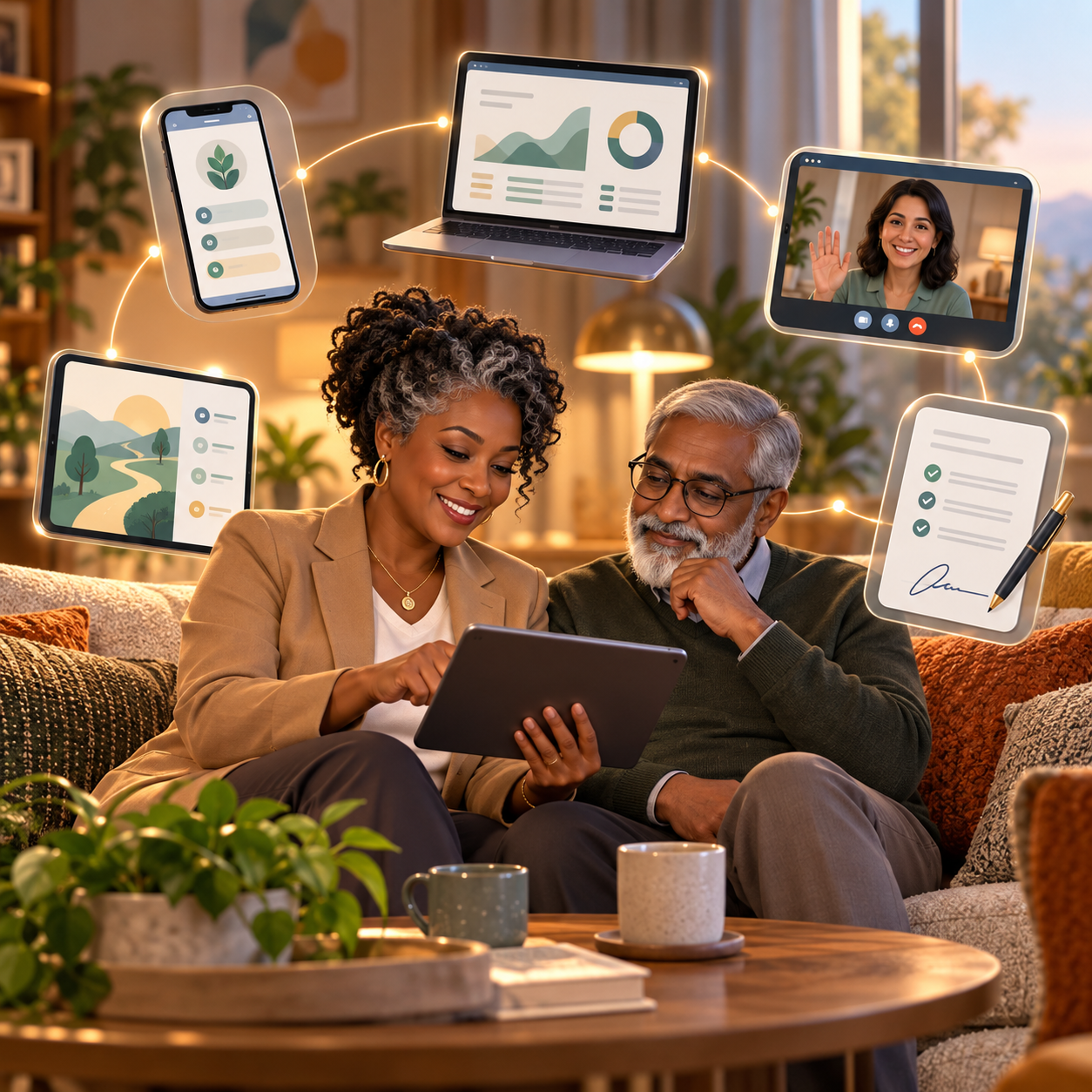
- Blending digital and offline approaches can strengthen brand credibility and boost local engagement.
Did you know that many real estate clients engage with both digital and offline channels before choosing an agent? As the marketing landscape shifts in 2026, understanding strategic differences and when to blend approaches is more critical than ever. This article helps you compare digital and offline marketing ideas, so you can decide which mix works best for your real estate business.
What Are Digital Marketing Strategies?
Definition and key channels
Digital marketing strategies in real estate use online channels to attract, nurture, and convert potential clients. These methods help you reach buyers, sellers, or investors where they spend significant time—on the internet and social platforms. Key channels include:
- Social media marketing: Sharing property listings, neighborhood guides, and behind-the-scenes content through platforms such as Instagram, LinkedIn, and Facebook.
- Search engine optimization (SEO): Optimizing your website and property pages to appear higher in search results when potential clients are searching for real estate-related keywords.
- Email marketing: Sending newsletters, property updates, and personalized content to nurture ongoing relationships with leads.
- Virtual property tours and video content: Using immersive technologies and video storytelling to showcase properties to remote or busy clients.
Current digital trends in 2026
Digital marketing for real estate in 2026 is shaped by rapid advancements in tech, including:
- AI-driven personalization: Automated systems now analyze visitor behavior and deliver tailored content, property suggestions, or financing resources that match each user’s profile.
- Interactive listings: Augmented reality allows clients to “walk through” properties online, improving engagement and interest.
- Omnichannel campaigns: Strong synergy across email, social, and digital ads offers a seamless client experience.
- Data privacy focus: With evolving privacy regulations, agents now rely on consent-based marketing and transparent data practices to build trust.
How Do Offline Strategies Still Work?
Traditional marketing approaches
Offline marketing strategies have long helped real estate professionals build community presence and credibility. Traditional methods remain relevant in 2026 and include:
- Yard signs and open houses: Physical signs in neighborhoods and well-prepared open houses provide instant visibility in target communities.
- Print advertising: Listings in local newspapers, magazines, and neighborhood bulletins maintain their value, especially among audiences less active online.
- Networking events: Local business mixers, homebuyer workshops, and community sponsorships foster direct relationships and personal referrals.
Recent offline innovations
Offline marketing isn’t static. Recent innovations include:
- Branded community events: Hosting or sponsoring local fairs, charity runs, or educational seminars positions you as a neighborhood expert.
- Direct mail with digital triggers: Sending postcards or brochures embedded with QR codes or NFC tags that take recipients directly to interactive online tours or contact forms.
- Interactive flyers: Printed materials featuring augmented reality triggers so clients can scan and engage with additional digital content.
Digital vs Offline: What’s Different in 2026?
Audience reach and engagement
Digital channels let you reach a much larger, more varied audience—often across cities or regions. You’re able to engage prospects instantly, track their responses in real time, and tailor your message based on their interests. Offline strategies, while narrower in reach, offer higher impact on local, highly-targeted segments—think neighbors, local business owners, or walk-in clients at community events.
Personalization and data use
Digital marketing is now highly personalized thanks to AI, rich datasets, and behavioral tracking (when consent is given). You can send relevant content to prospects, follow up quickly, and fine-tune your messaging. Offline approaches rely on relationship-building skills and nuanced understanding of local markets, providing hands-on personal attention and “human touch” that many clients still value.
Brand credibility building
Both approaches support brand credibility but in different ways. Digital strategies showcase expertise through online reviews, educational content, and consistent digital presence. Offline methods build trust through visible, in-person engagement—think about the impact of sponsoring a local school event or personally hosting an open house. In 2026, credibility often stems from a well-blended approach: reachable online, reliable in person.
Advantages of Digital Marketing Channels
Scalability and flexibility
One of the key advantages of digital marketing is scalability. You can launch campaigns that reach thousands across large geographies, adjust messaging or budgets on the fly, and test new ideas with limited risk. Flexibility lets you target different demographic groups (like first-time buyers or retirees) simultaneously, adapting your strategy based on real-time performance.
Analytics and measurement
Digital strategies shine when it comes to data and measurement. Real-time analytics platforms track:
- Website visits and time on listings
- Click-through rates on ads or emails
- Conversion metrics (contact form submissions, property inquiries)
- Social media engagement (shares, comments, direct messages)
These insights help you refine your outreach and focus resources on the channels that drive the strongest business outcomes.
When Might Offline Methods Work Better?
Niche markets and hyper-local reach
Offline strategies remain powerful for geographic segments and niche markets where digital saturation hasn’t replaced personal trust. If your focus is on a specific neighborhood or a community with low digital engagement, traditional methods could provide better results.
Building community trust
Face-to-face interactions—whether at open houses, workshops, or local meetings—help establish genuine relationships and deeper trust. This can be especially important for clients wary of digital scams or those who prefer a relationship-driven approach to major decisions like buying or selling property.
Can Real Estate Professionals Blend Both?
Integrated campaign ideas
Blending digital and offline marketing often leads to a stronger, more resilient brand. For example:
- Combine direct mailers with QR codes leading to virtual home tours.
- Use social media ads to promote upcoming community events you’re hosting.
- Build an email newsletter for event attendees, where you share post-event highlights and follow-up opportunities.
Examples of successful hybrid approaches
Many real estate professionals have seen results by integrating both approaches. For instance, hosting a local homebuyer seminar (offline), capturing emails onsite, then following up with digital property recommendations and online resources. Another idea: using print ads in local magazines to direct traffic to your online property portfolio.