Key Takeaways
- Realtor reputation management in 2026 is built on transparency, active engagement, and understanding compliance requirements.
- A strategic approach to managing feedback and building credibility protects your business and supports sustainable growth.
As the real estate industry continues to evolve, managing your professional reputation online has never been more critical. In 2026, client decisions hinge on what they see and read about you online—making digital visibility and compliance fundamental to long-term credibility and growth. Here’s how to build a reputation management strategy that’s both effective and compliant.
What Is Realtor Reputation Management?
Defining online reputation for realtors
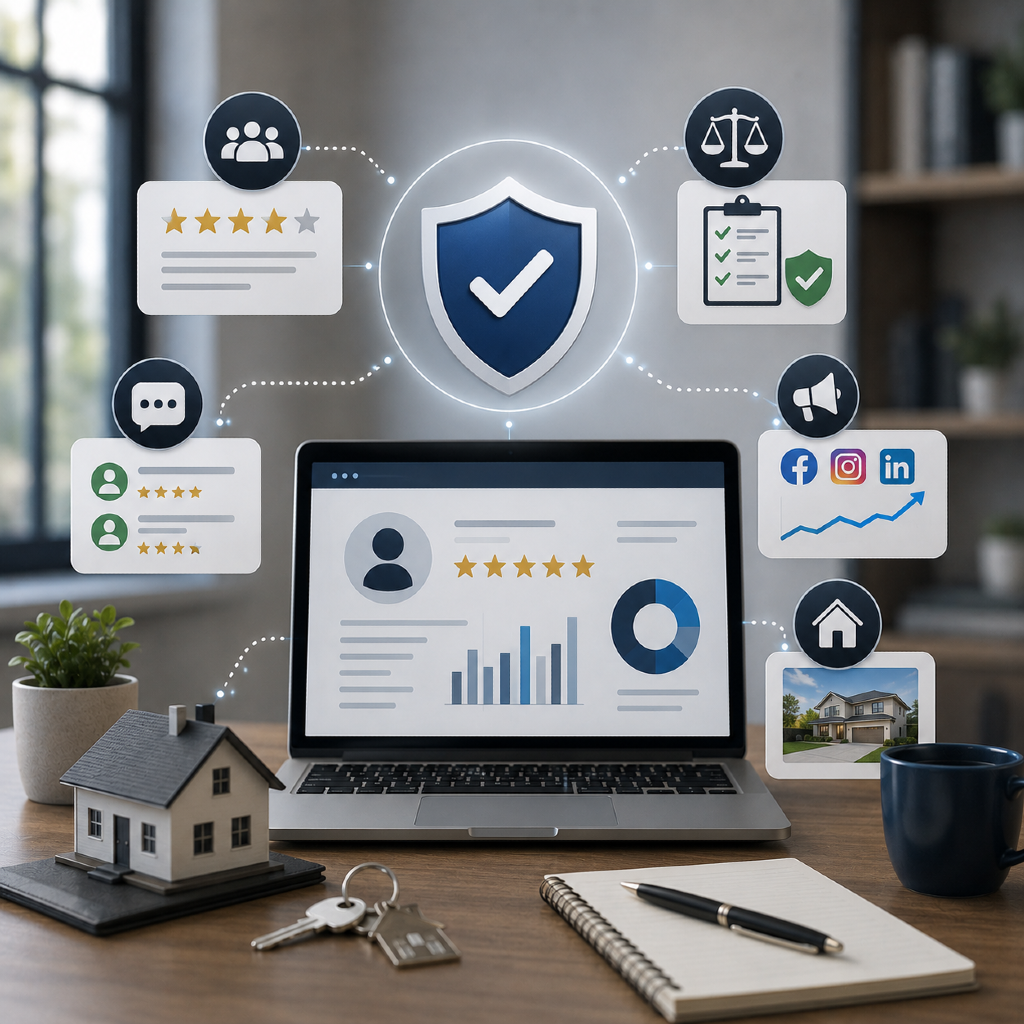
Your online reputation refers to the public perception of your expertise, ethics, and service quality as seen across digital channels. It includes what clients, prospects, and partners discover about you through search engines, reviews, social media, and professional profiles. In 2026, this digital reputation is often a client’s first impression and influences whether they reach out or look elsewhere.
Key elements influencing reputation
Several factors shape your online reputation:
- Client reviews and testimonials: Positive or negative experiences shared by past clients on platforms or social networks leave a lasting mark.
- Professional conduct: How you interact in public forums, respond to inquiries, and address concerns speaks volumes about your approach.
- Content presence: Blog posts, informative videos, and educational articles show your expertise and help position you as a credible resource.
- Industry affiliations: Membership in reputable organizations or participation in ongoing training signals commitment and professionalism.
Why Does Reputation Matter for Realtors?
Impact on client trust and retention
In real estate, trust is the foundation of every client relationship. Your reputation can accelerate trust-building by showing transparency, reliability, and a track record of satisfied clients. A strong digital reputation reassures potential clients that you operate ethically and place their interests at the forefront. Retaining clients and encouraging referrals often begins with a reputation for consistent, responsive service.
Connections to business growth
A positive reputation acts as a magnet for new opportunities. Whether it’s attracting home buyers, sellers, or other business partners, your reputation is a signal of reliability and value. In 2026, many real estate professionals find that proactive reputation management leads to more inquiries, client loyalty, and word-of-mouth recommendations—all essential for sustainable business growth.
Which Compliance Concerns Should Realtors Prioritize?
Advertising standards in real estate
Real estate advertising is closely regulated to ensure information is truthful and not misleading. As you market your services, be sure to:
- State qualifications, experience, and affiliations accurately without exaggeration
- Avoid superlatives or promises regarding results (such as being the “top” or “guaranteed” choice)
- Clearly disclose your license status
- Use images and descriptions that align with legal and ethical guidelines
Staying informed about national and local advertising rules is key to protecting your business from risk.
Privacy and communication regulations
Connecting with clients and prospects means handling sensitive data. Privacy standards require you to:
- Safeguard client information and follow data protection laws
- Use opt-in consent for email marketing and electronic communications
- Clearly explain how you collect, store, and use client data
Honoring privacy protects both your clients and your professional standing. Regularly review your communication practices to ensure ongoing compliance with updated regulations.
What Are Effective Digital Reputation Strategies?
Managing reviews and testimonials
Reviews are powerful tools in shaping perceptions. To manage this aspect:
- Monitor major review sites and promptly address feedback
- Encourage satisfied clients to share their experiences in a compliant way
- Thank clients for reviews, even when addressing concerns or criticism
- Never offer incentives for positive reviews, as this can violate ethical standards
Thoughtful engagement with both positive and negative reviews shows integrity and commitment to continuous improvement.
Leveraging educational content
Creating and sharing educational content demonstrates expertise and provides value to clients. Consider:
- Writing articles about market trends, buying/selling tips, and regulatory updates
- Hosting webinars or sharing informative short videos
- Sharing compliance-friendly updates around local policy changes
Educational content builds credibility and gives clients more reasons to trust you with their real estate needs, while also differentiating you from competitors.
How Can Realtors Respond to Negative Feedback?
Response frameworks for compliance
When you receive negative feedback, responding within a clear framework lays the groundwork for resolution and compliance. Effective steps include:
- Acknowledge the concern calmly and thank the reviewer for their input
- Avoid discussing client-specific details publicly
- Offer to resolve matters privately when appropriate
- Ensure responses adhere to advertising and privacy guidelines
A timely and respectful reply signals that you value constructive dialogue and care about improving experiences for all clients.
Maintaining professionalism online
Professionalism isn’t just for face-to-face interactions—it extends to every online engagement. In difficult scenarios, focus on:
- Staying factual and avoiding personal tone
- Refraining from debates or emotional exchanges
- Reminding clients that their perspective matters
Because your responses are visible to future clients, demonstrating professionalism helps reinforce your values and maintain credibility.
Building Credibility Beyond Online Platforms
Community involvement strategies
Your online presence is crucial, but involvement in your local community can supercharge your reputation. Strategies include:
- Volunteering at local events or charities
- Participating in business associations or local workshops
- Supporting community improvement projects
Visibility in your community deepens trust and reinforces your reputation as a locally connected, proactive real estate professional.
Educational events and workshops
Leading or contributing to educational events elevates your standing as an industry expert. Consider:
- Organizing home-buying seminars or Q&A sessions for residents
- Educating clients about changes in laws or local property trends
These activities help you connect offline, showcase expertise, and create lasting positive impressions.